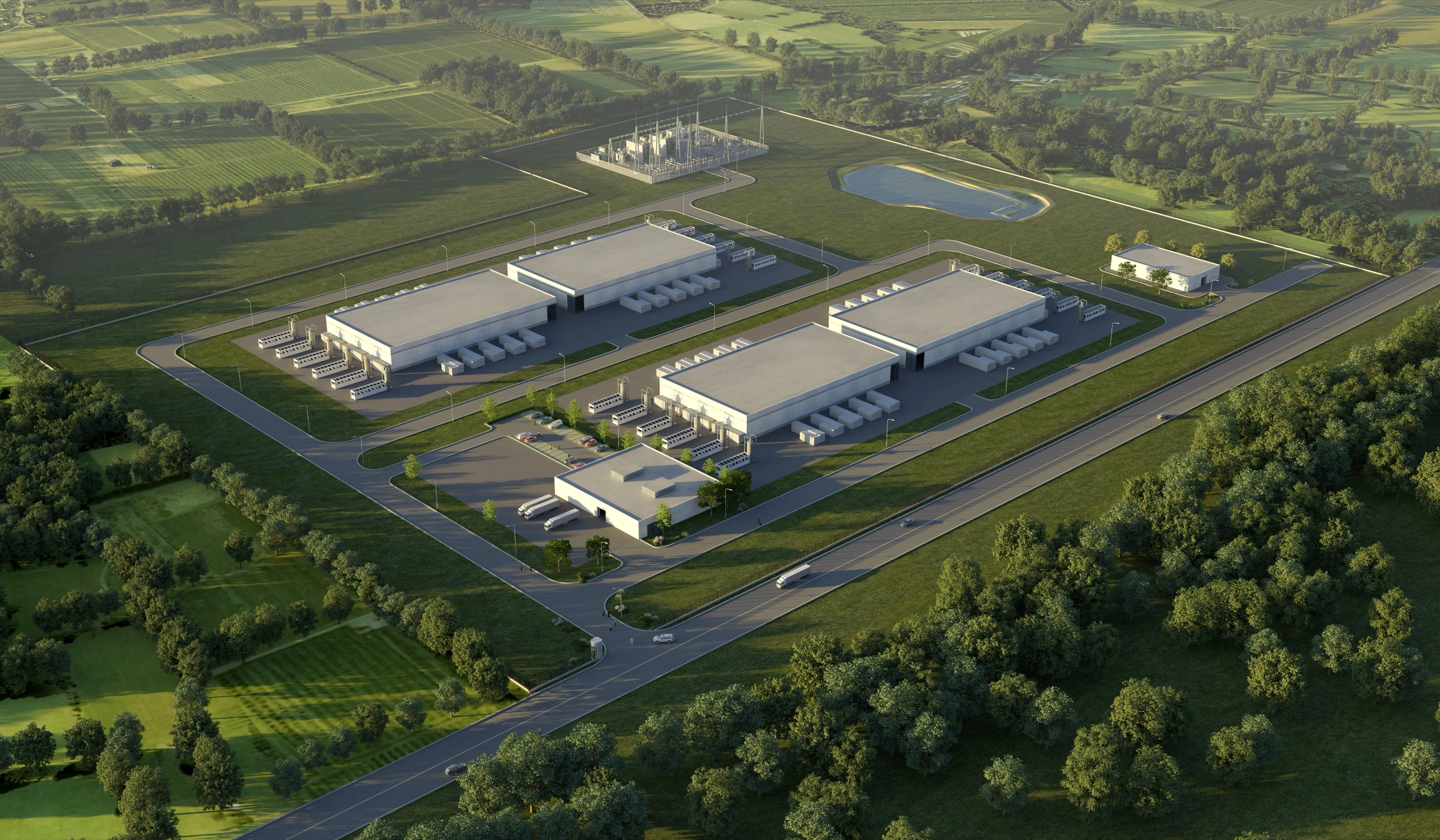

Rendering of a Fog campus from the air: three data halls on a graded pad with the substation feeding them
About

Power in,
compute out.

Fog Computing builds the infrastructure between the grid and the rack. We engineer the power, manufacture the cooling, and deliver from modules to site. No vendor stack, no handoffs. One partner from first drawing to first load.

40
Countries
400MW
Deployed
90%
North America
NVIDIA Inception Program

We help turn power
into compute.

Building the future of AI takes enormous power, and infrastructure that arrives fast. We stand with the builders, making every rack land faster and run more efficiently.

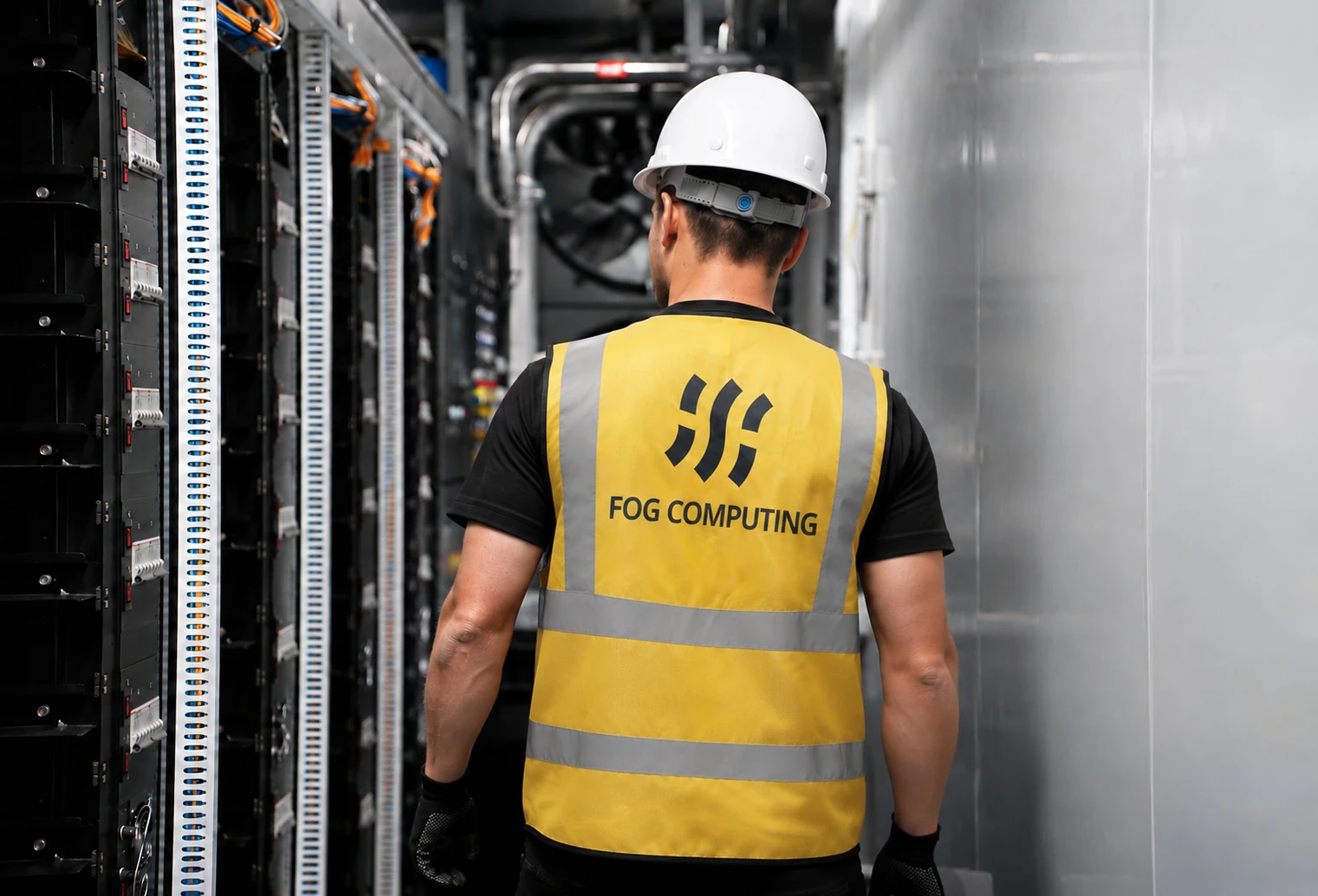
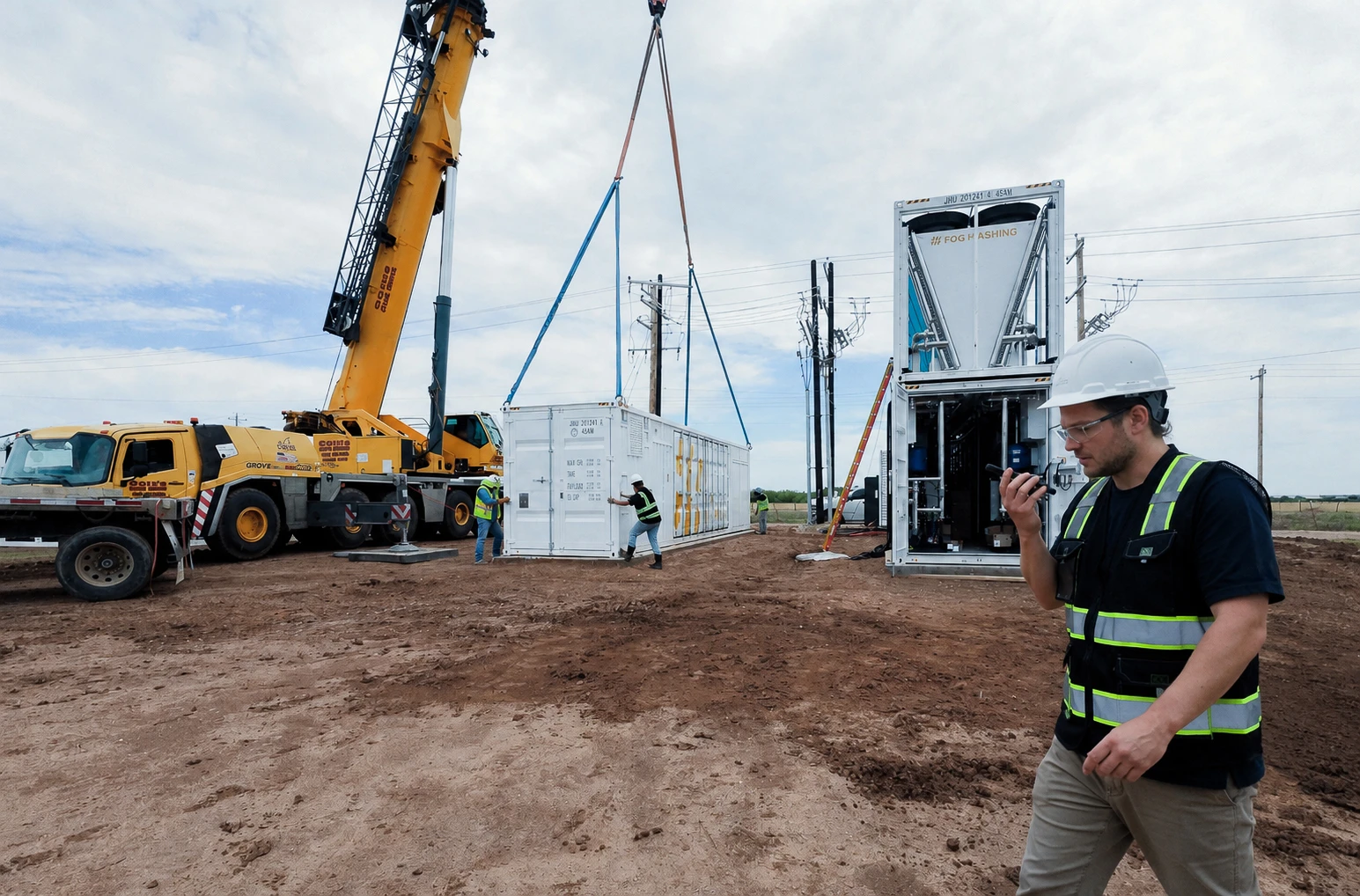
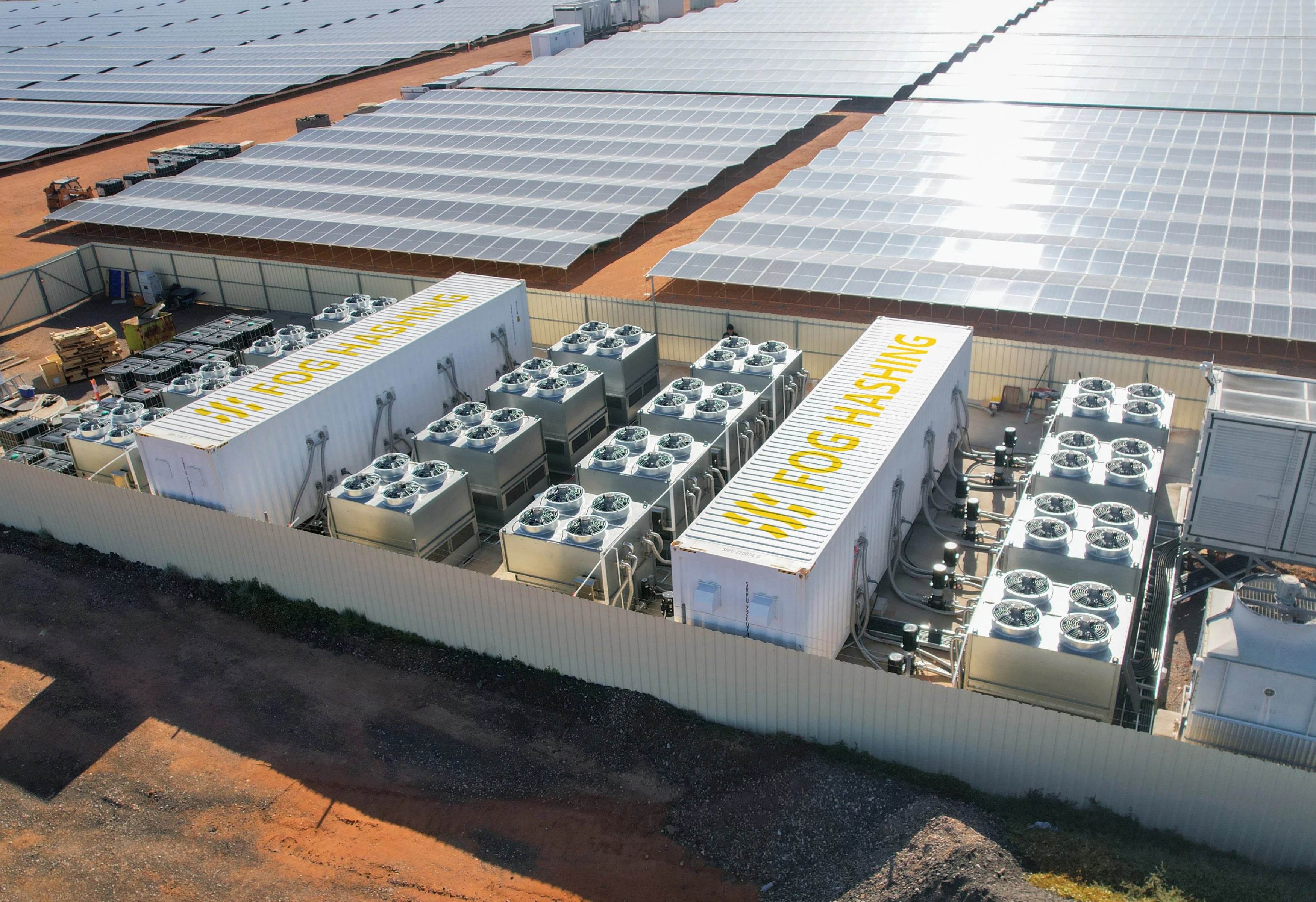
A Fog Hashing technician walking the aisle between two immersion rowsFog crew on site: a container being craned onto its pad while an engineer directs the lift by radioFour Fog Hashing hydro cooling units on their pads beside the site substation, seen from the air

It started in a lab.

Fog began in 2021 as a joint R&D lab with university partners, working on one problem: how to move heat out of a dense rack.

Paul Jin Li, a computer science professor and serial entrepreneur, was not setting out to build data centers. But the thermal loop is the part of the machine that fails first, and solving it meant going outward in both directions: into the power that feeds the rack, and into the modules that hold it.

Five years later that is a full stack. 400MW of it, in 40 countries, and most of it in North America.

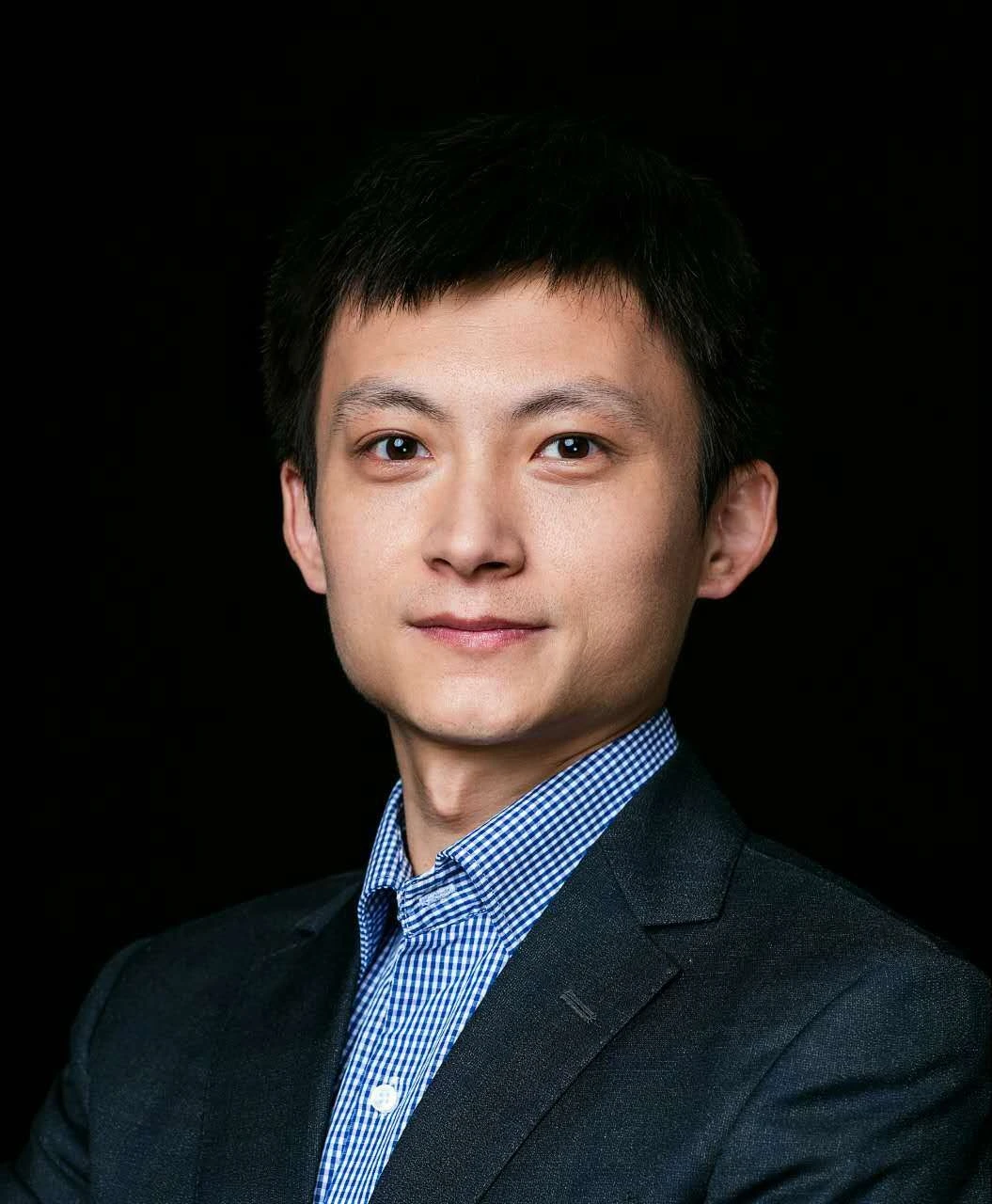
Paul Jin Li, founder and chief executive of Fog Computing
Paul Jin Li · Founder & CEO
2021 — 2026
  1. 2021

    Established

    Founded as a joint R&D lab with university partners, working on liquid cooling.

  2. 2022

    First product at CES

    The first cooling product ships, released at CES, with an Intel partnership behind it.

  3. 2023

    Containers at scale

    Containerised immersion cooling moves from pilots into scaled delivery.

  4. 2024

    AI and HPC

    Immersion cooling for AI and HPC released. Fog joins the NVIDIA Inception Program.

  5. 2025

    Direct-to-chip

    Direct-to-chip cooling products enter mass production.

  6. 2026

    AI data centers

    Full AI data center solutions, power backbone included, scaled up.

Compute gets built
where the power is.

Extreme heat, harsh environments, hard logistics. From North America to the Middle East, we hand over an energized site, not a spec sheet.

  • Deployment sites
  • Team

Deployment sites: Canada, Wyoming, New Mexico, Mexico, North Dakota, Texas, Kansas, Iowa, Mississippi, Illinois, Tennessee, Indiana, Georgia, Florida, North Carolina, Paraguay, Iceland, Portugal, Spain, United Kingdom, Switzerland, Norway, Italy, Botswana, Bahrain, United Arab Emirates, Oman, Turkmenistan, India, China, South Korea, Japan, Australia.

Team locations: Canada, United States, Singapore, China, Australia.

From sheet metal,
to finished modules.

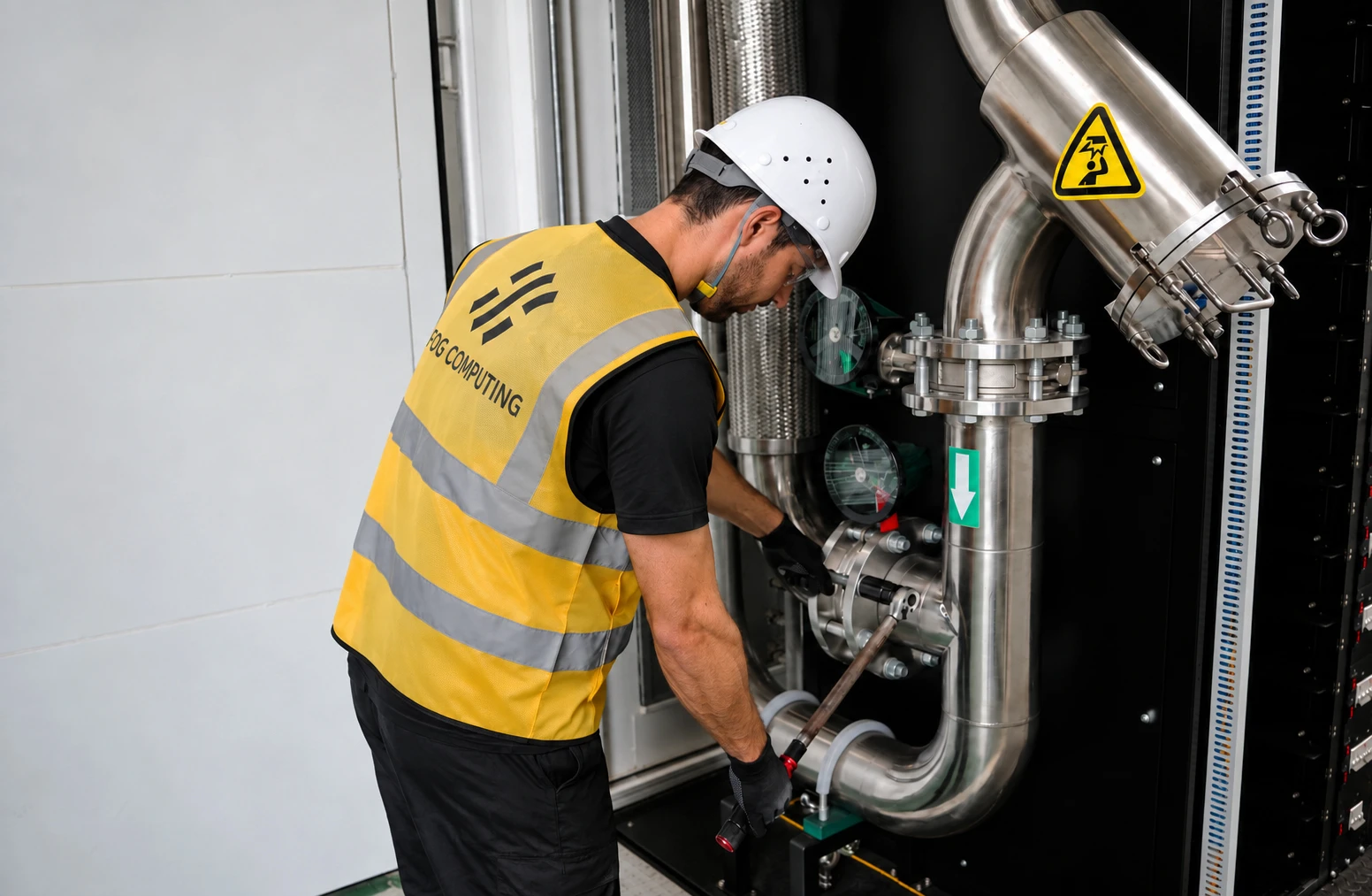
From transformers and switchgear, to cooling loops and container shells. Fog keeps production moving fast and reliably, with every module factory acceptance tested before it ships.

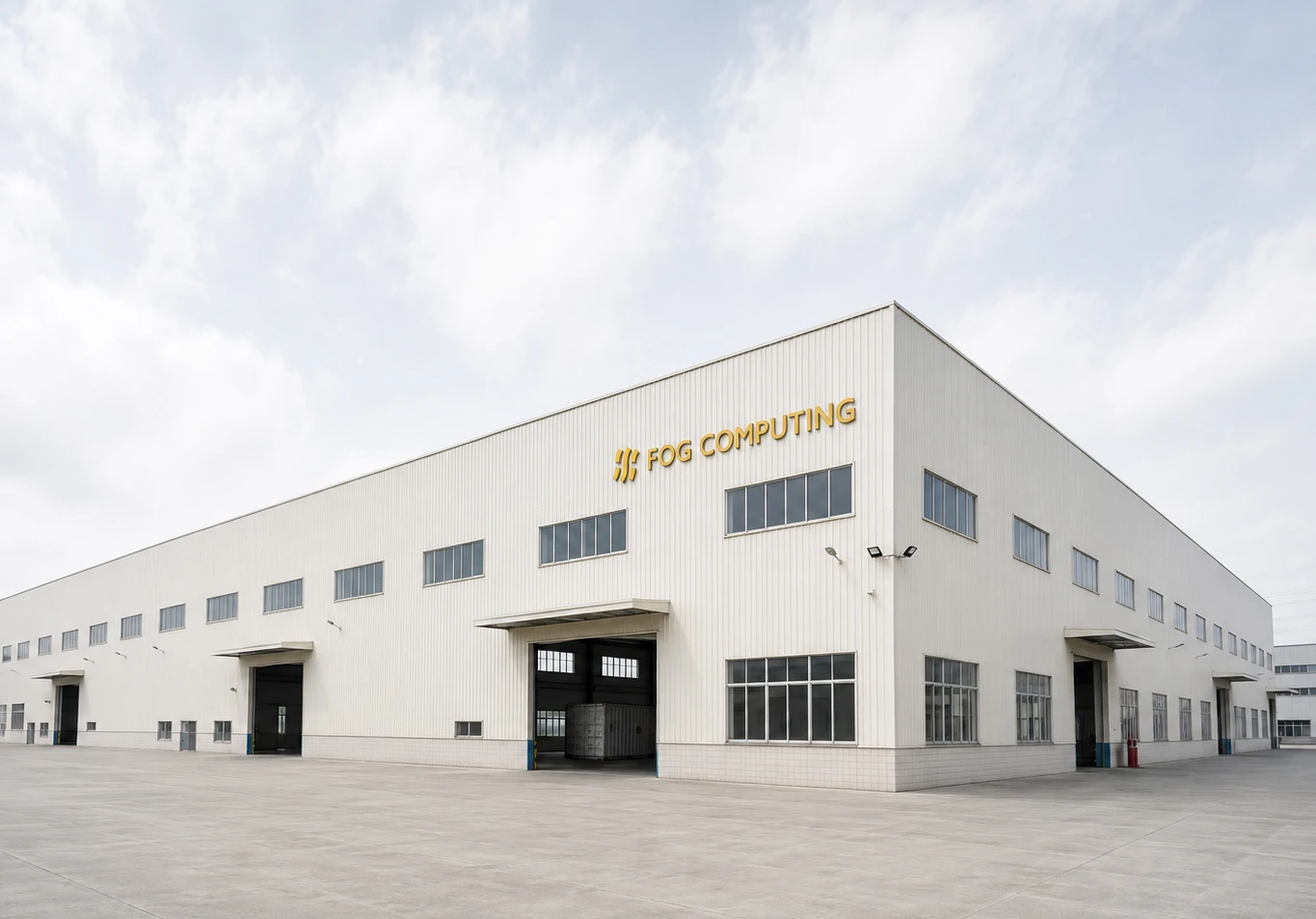
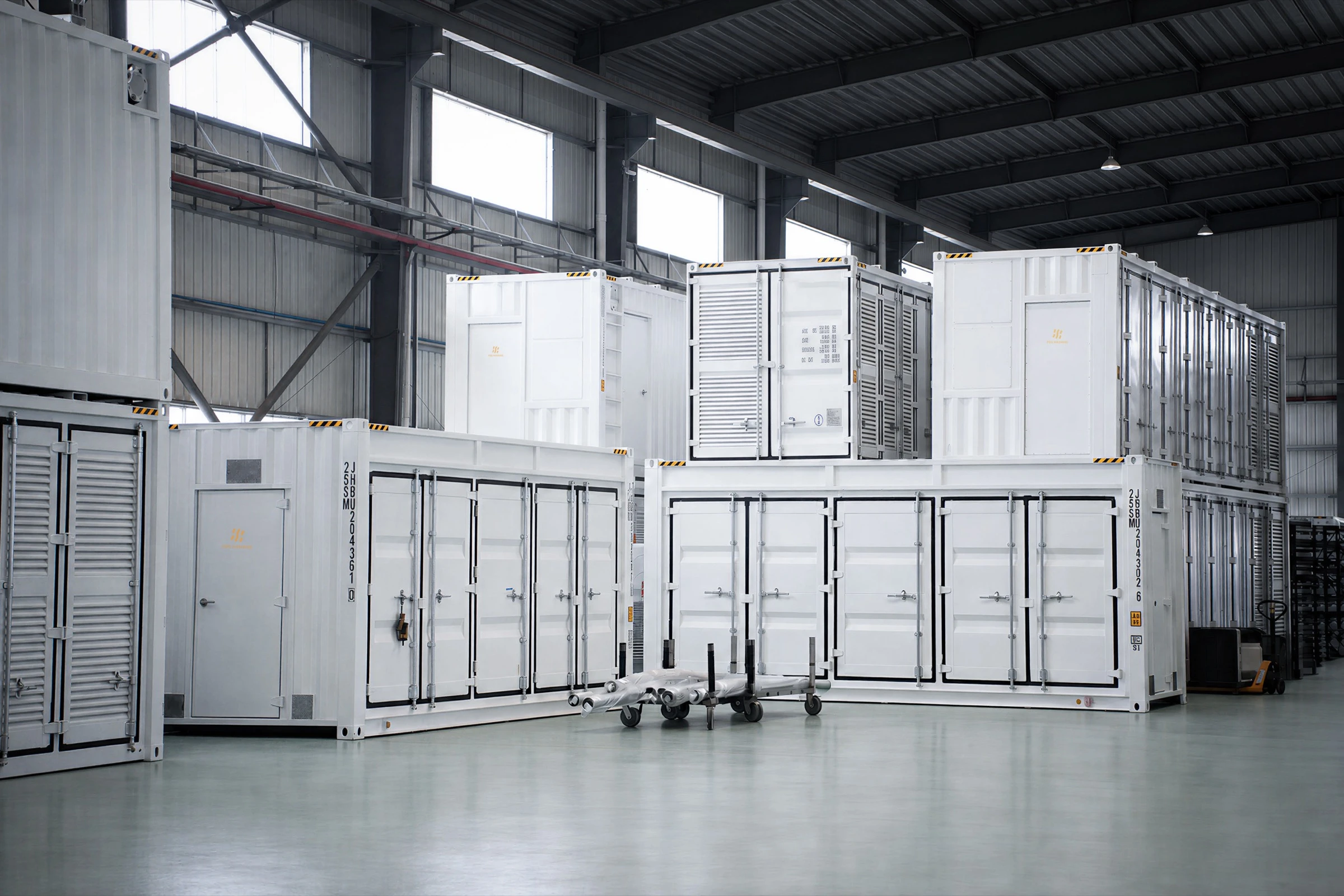
A Fog Computing plant from the yard, wordmark across the long elevation above the loading baysFinished container modules staged on the factory floor, stacked two high down the bayA Fog Hashing technician torquing a coolant loop flange during factory acceptance testing
Learn more

Common
questions.

What operators ask before they take a meeting: what we build, how we build it, and who we are to be building it. If yours is not here, ask it.

What infrastructure do you actually provide?

Everything between the grid connection and the rack. Electrical: transformers, switchgear, BESS and generation. Cooling: immersion, direct-to-chip, CDUs and the coolant itself. The modules: containerised data halls, skids, site design, UL and CSA certified. And the control layer that runs them, including remote management and an OpenAPI.

By product line that is FogStack for the power backbone, FogPod for AI data halls with air, direct-to-chip and immersion variants, and the H, B and C Series for Bitcoin infrastructure.

Are you an OEM, an ODM, or a channel reseller?

An OEM. Not a reseller, not a broker, and not a trading house putting a badge on another factory’s box.

We run our own design, engineering and supply-chain teams, and we build in our own factory. Components come from top-tier suppliers we qualify ourselves. That is what lets a design change be an engineering decision here rather than a request passed up somebody else’s chain.

Do you take custom requirements?

Yes, and most projects carry some. Capacity, container format, cooling type, switchgear rating and control integration are specified per project. The standard products exist so a project starts from something already proven in the field, not so that it has to end there.

What kinds of projects do you take?

Two industries that share most of the same machine. AI and HPC data centers, where the work is dense GPU halls and the power and cooling to run them. And Bitcoin mining, which is where the company started and where the immersion and hydro cooling came from.

Operators converting an existing mining site into AI capacity are a growing share of the work. The power is already there, so the constraint is the conversion rather than the site.

Can I visit a factory or a working site?

Yes. The factories are open to visitors, and a visit is arranged through your contact here.

A working site depends on the operator agreeing to host, so tell us the geography and the capacity you are working to and we will find the closest match we are able to show.

I want to work with you as a partner.

Start with the contact form. Tell us what you would bring, which markets you cover, and the first project you have in mind, and it reaches the team that would run it.

Talk to the team.